
Description
Buy Laughing Gym / Gymnopilus junonius Mushroom for sale in europe
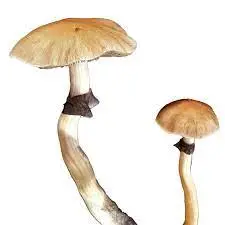
Laughing Gym/Gymnopilus Junonius, commonly known as the Laughing Gym or Spectacular Rustgill, is a striking wood-rotting mushroom recognized for its vibrant orange tones, dense clusters, and strong, bitter flavor. Although visually impressive, this species is not recommende for consumption in most regions due to its bitterness and the presence of variable bioactive compounds.
Found on decaying hardwoods and conifers, Gymnopilus junonius appears in large groups, typically during late summer through autumn. Its bright cap, rust-colore gills, and distinctive spore print make it one of the most noticeable members of the Gymnopilus genus.
While some reports mention trace amounts of psilocybin in certain populations, the chemical composition of this mushroom varies significantly by region. In many cases, bitterness and potential toxins overshadow any psychoactive effects.
Benefits of Laughing Gym/Gymnopilus Junonius
-
Potential Psychoactive Effects – Certain subspecies contain psilocybin, which is being studied for its possible benefits in clinically supervised settings, including:
-
Anxiety relief
-
Depression management
-
Support for obsessive-compulsive disorder
-
Assistance in treating problematic drug use
-
-
Antibacterial Activity – Methanol extracts of Gymnopilus junonius have shown activity against harmful bacteria such as Enterococcus faecalis, Eggerthella lenta, and Vibrio parahaemolyticus, performing better than some standard antibiotics in lab studies.
-
Antioxidant Properties – Contains bioactive compounds with antioxidant potential (tested using DPPH and nitric oxide methods), which may help protect cells from oxidative stress.
-
Contains Bioactive Compounds – Rich in bis-noryangonin and hispidin, structurally similar to alpha-pyrones found in kava, which may contribute to mild neuroactive effects.
-
Educational & Research Value – Due to its unique chemical profile and visually striking appearance, it is valuable for mycological studies, ecological observation, and understanding wild mushroom chemistry.
Note: While some compounds show potential health effects, Gymnopilus junonius is inedible and potentially toxic, so benefits are primarily observed in controlle, purified, and supervised research contexts.
Taxonomy & Naming
- Described by: Elias Magnus Fries (1821) as Agaricus junonius
- Reclassified by: Peter Darbishire Orton (1960) to Gymnopilus
- Meaning:
-
Gymn- = naked
-
-pilus = cap
The name refers to the mushroom’s smooth, bald cap surface.
-
-
Epithet “junonius” honors the Roman goddess Juno.
Edibility
In most parts of the world, Laughing Gym/Gymnopilus Junonius is considered inedible or poisonous, primarily due to:
- Pronounced bitterness
- Possible presence of neurotoxic compounds such as gymnopilins
- Inconsistent psychoactive chemistry
Exception:
In Uruguay, this species is traditionally consumed after multiple rounds of boiling to remove bitterness. It is sometimes use in local sandwiches alongside meats like beef or bacon.
Physical Description
Cap
- Size: 5–26 cm across
- Shape: Convex when young, flattening with age
- Color: Deep orange to yellow-brown
- Texture: Smooth to finely scaly, often silky
- Margin: Inrolled on young specimens
Gills
- Attachment: Narrowly attached to the stem
- Density: Close and frequent
- Color: Yellow to rusty orange
- Notes: Mature gills stain brown as spores accumulate
Stem
- Length: 9–16 cm
- Thickness: 1.5–3 cm
- Color: Dull yellow to orange-brown
- Features:
-
Thin ring or ring zone from the partial veil
-
Silky-fibrillose surface
-
Bruises brown
-
Flesh
- Thick, firm, yellow-orange
- Does not change color when sliced
Odor & Taste
- Odor: Mild to faintly fruity
- Taste: Strongly bitter
Spore Print
- Rusty orange to rusty brown
- Spores often coat nearby surfaces with heavy deposits
Habitat
Saprobic, decomposing dead wood
-
Found on:
-
Tree stumps
-
Fallen logs
-
Bases of hardwoods and conifers
-
- Growth: Clustered
- Distribution:
-
Europe, Asia, Australia, South America
-
Some similar species occur in North America
-
-
Season: Late summer to autumn; longer seasons on coastal areas
Similar Species of The Laughing Gym Mushrooms
This mushroom is often mistaken for Gymnopilus ventricosus, which contains no psilocybin. Distribution and habitat Gymnopilus junonius is a very widely distribute mushroom for sale which grows in dense clusters on dead hardwoods and conifers. This mushroom grows just about everywhere that decaying wood can be found. laughing gym mushroom for sale online
Potential Side Effects
Using Laughing Gym mushrooms can cause a range of mental and physical effects, including:
Mental & Emotional Effects:
- Heightened emotions and senses
- Euphoria, laughter, or giggling
- Altered perception of reality, time, and senses
- Anxiety, panic attacks, paranoia, or confusion
Physical Effects:
- Dry mouth, nausea, or vomiting
- Increased heart rate and blood pressure
- Muscle weakness, twitching, or convulsions
- Sweating, chills, or elevated body temperature
- Loss of urinary control
Due to these risks, Gymnopilus junonius is not recommende for consumption. It is best appreciated for its ecological role and visual appeal.
Shop Laughing Gym Mushrooms Online – Fast & Discreet Delivery
Order Laughing Gym Mushrooms (Gymnopilus junonius) safely and conveniently from Buy Online Weed Kush. We offer secure online shopping, fast delivery, and discreet shipping to ensure your rare and exotic mushrooms arrive safely at your doorstep. Enjoy a seamless ordering experience with reliable customer support and trusted products for research, educational, or ecological purposes.



Reviews
There are no reviews yet.